
Articles
The Carrier’s Cross-Sell Map: Finding Employers with Coverage Gaps in Your Product Category
Learn how ancillary and group benefits carriers use Form 5500 policy data to find employers missing their product line and build targeted prospecting lists through broker relationships.
What Broker Consolidation Means for Your Book: How to Spot Acquired Offices Before Your Competitors Do
Broker consolidation is accelerating, and every acquisition puts a competitor's book in play. Here's how to spot acquired offices in transition and win their clients before your competitors do.
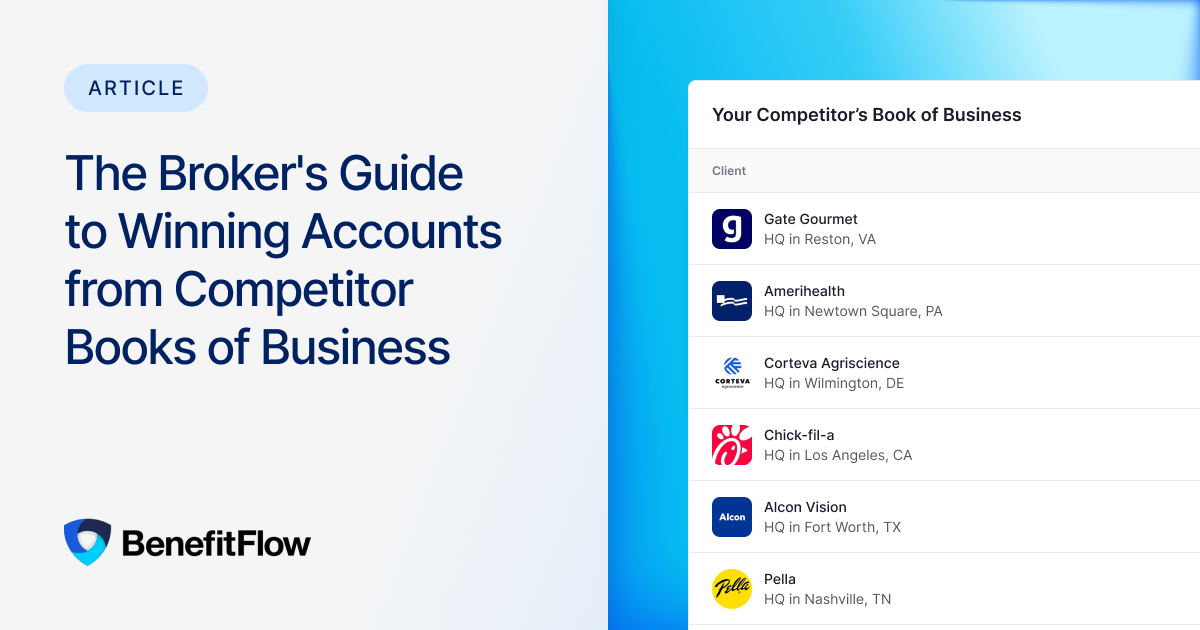
The Broker's Guide to Winning Accounts from Competitor Books of Business
Learn how to analyze competitor broker offices, identify their best-fit accounts, and time outreach to renewal dates using Form 5500 data and employer intelligence.
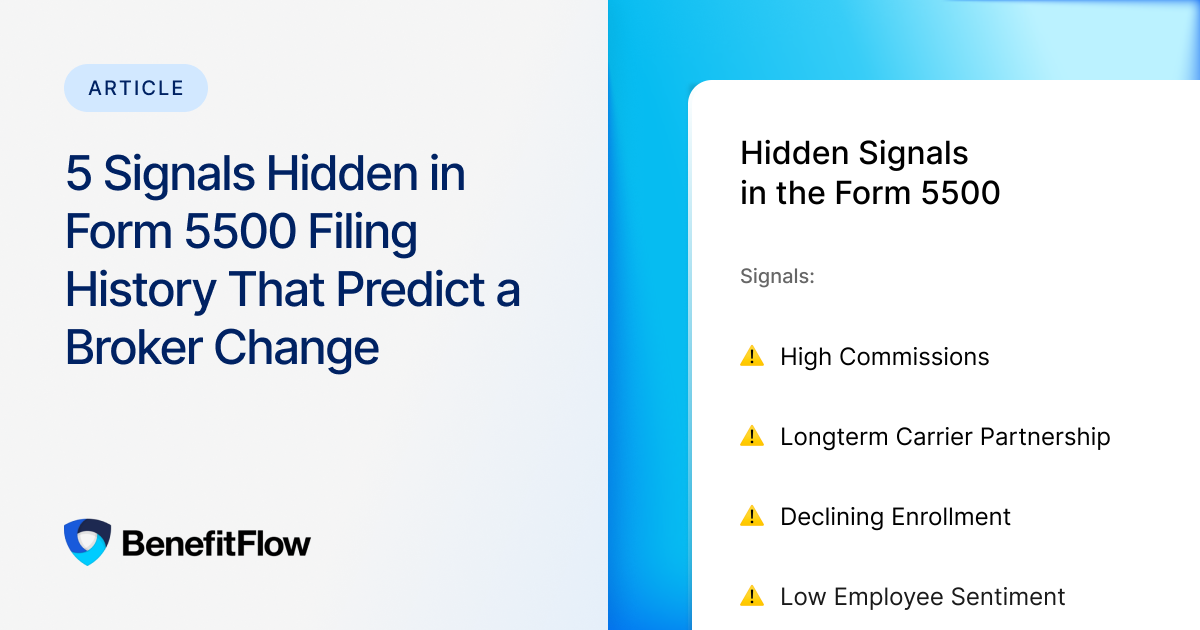
5 Signals Hidden in Form 5500 Filing History That Predict a Broker Change
Learn how to read Form 5500 filing history to identify employers likely to change brokers. Spot the patterns in carrier swaps, commission trends, and enrollment shifts that signal opportunity.

2026 Employee Benefits Outlook: Managing GLP-1 and Specialty Drug Costs
Employers project 8-10%+ health cost increases in 2026, driven by GLP-1s and specialty drugs. Discover strategies brokers are using to manage costs without sacrificing talent attraction.
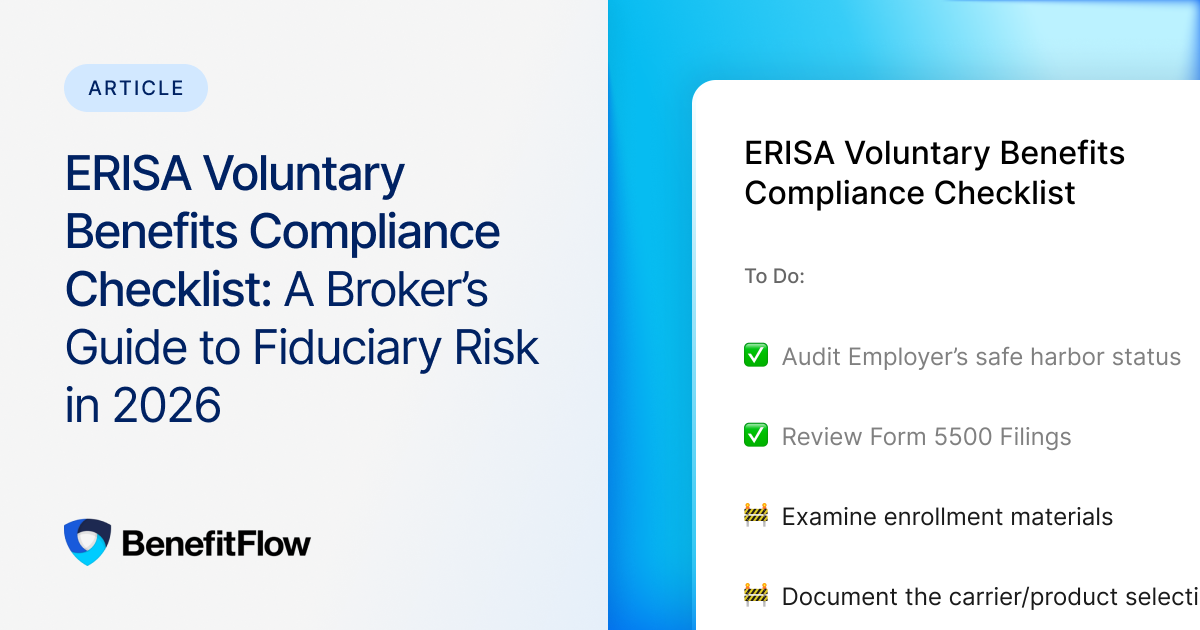
ERISA Voluntary Benefits Compliance Checklist: A Broker’s Guide to Fiduciary Risk in 2026
New ERISA lawsuits target brokers placing voluntary benefits. Use this compliance checklist to audit your DOL safe harbor status, benchmark commissions, and document fiduciary processes before litigation hits your book.
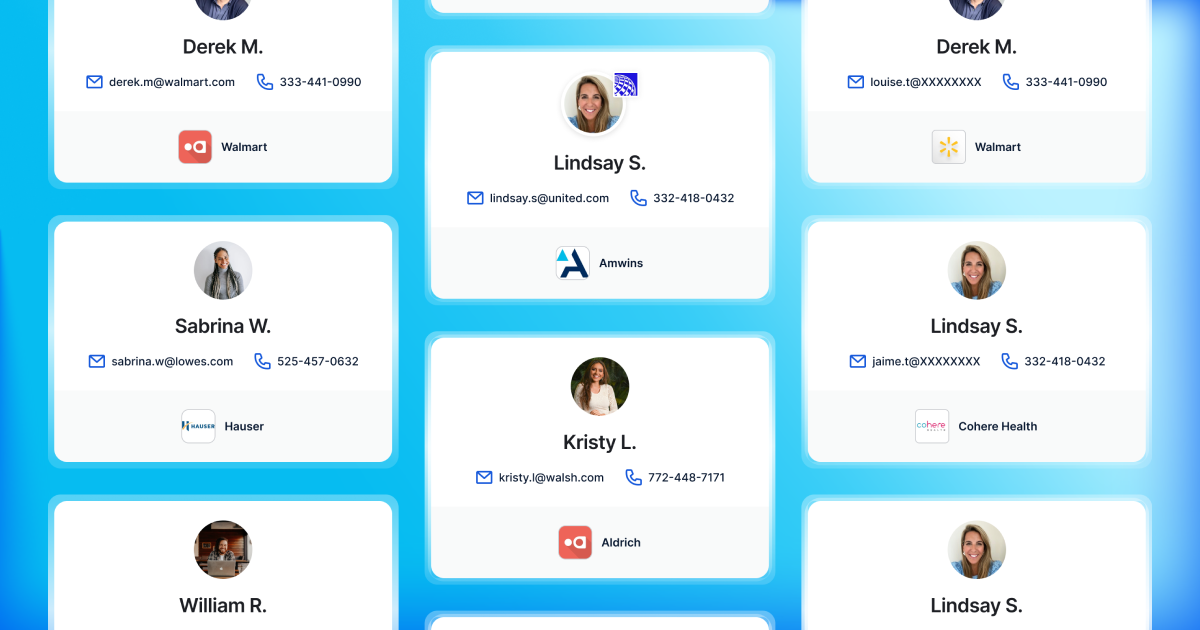
VerifyPro™: Verified Broker Contacts with Health & Life Licensing and Carrier Appointments
In 2025, precision beats volume. With VerifyPro™, vendors and carriers don’t just get broker contact info—they get licensed, appointed employee benefits producers who already have the right employer exposure.

Benefits Sales in the Age of AI: Enhancing Relationships, Not Replacing Them
Explores how AI enhances relationship driven benefits sales by speeding research and giving sales teams deeper insight.
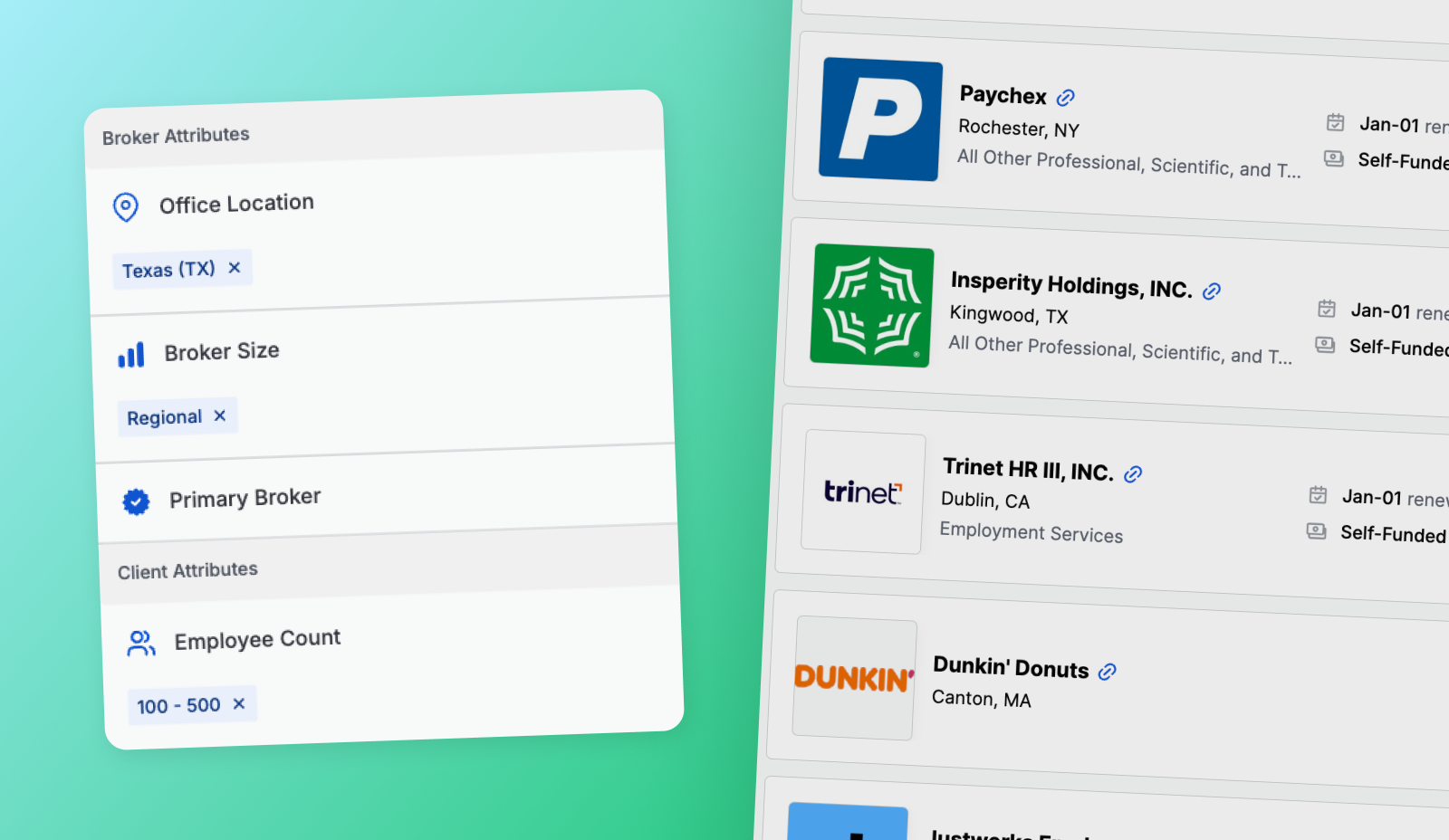
Data-Driven Selling | Part 4: Building Broker Pipeline
Covers how to use BenefitFlow to build a high quality broker pipeline, identify good fit partners, and structure targeted outreach.

Data-Driven Selling | Part 3: Assigning Sales Territories
Shows how to segment your market using employer size, geography, and industry to build balanced and high yield sales territories.
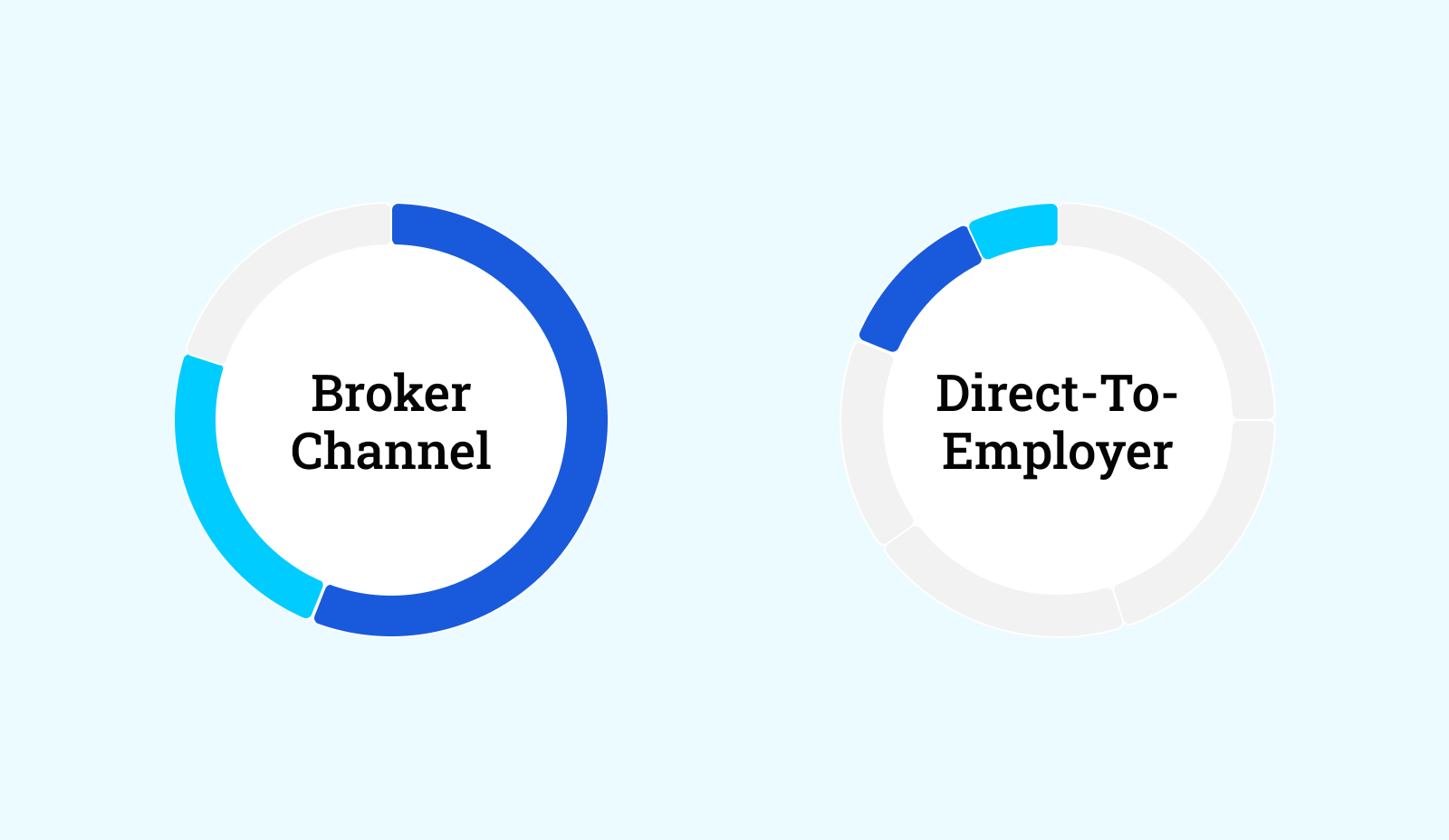
Data-Driven Selling | Part 2: Determining Your Distribution Strategy
Explains how to choose the right go to market motion, including direct, broker led, or carrier and TPA led models, based on product type and company maturity.

Data-Driven Selling | Part 1: Sizing Your TAM
A practical guide to building a bottoms up TAM model using BenefitFlow data so sales teams can quantify true market opportunity.